If pests are causing problems in Hamilton, ON, one of the initial questions is whether your insurance will contribute toward pest control Hamilton services. The simple answer is that insurance coverage is often limited. In most cases, homeowners insurance, tenant insurance, and condominium insurance are designed to respond to sudden accidental loss or certain covered perils, not routine pest problems or prevention. That means the details of your insurance wording, policy exclusions, and the type of damage involved are very important.
In Hamilton’s mix of older homes, condos, and rental properties across neighbourhoods like Durand, Stinson, and Westdale can make pest issues more common, especially where aging materials, gaps in building envelopes, and humidity near the harbourfront create conducive conditions. Learning where insurance ends and where pest control begins can spare time, ease frustration, and help you decide whether to call your insurer, a claims adjuster, or an exterminator first.
Which homeowners in Hamilton should understand about pest control coverage
For many homeowners, homeowners insurance does not fund preventive treatment or ongoing pest control Hamilton visits. Instead, insurers usually assess whether the situation was caused by covered perils and whether the resulting property damage falls within the scope of the policy. A pest infestation by itself is typically not enough to trigger insurance coverage.
This is where policy exclusions become important. Many standard policies exclude damage from pests, vermin, rodents, and poor maintenance. If your issue developed slowly over time, an insurer may view it as a home maintenance problem rather than an insurable event. That distinction affects claim eligibility and whether the insurer will even review repair costs related to the incident.
In practice, the question is not just “Can I get pest control covered?” but “Did a covered event cause sudden damage that now requires repairs?” If the answer is no, the policy may not respond, even if the local provider recommends immediate treatment to stop the problem from getting worse.
When pest damage may be covered by insurance
Insurance may come into play when a pest issue follows a abrupt accidental loss rather than a creeping infestation. For example, if water damage from a burst pipe affects walls and then attracts pests, the water damage may be a covered peril, and related property damage could be reviewed as part of the same claim. Similarly, fire damage can lead to openings or structural weaknesses that allow pests to enter, and the resulting repairs may be covered depending on the claim details.
Another situation that can play a role is structural damage caused by a sudden event. If a storm or accident leaves an opening that allows animals or insects into the home, the insurer may assess the original incident and the resulting damage assessment together. In these cases, the focus is usually on the original cause of loss, not the pest control invoice itself.
It is important to separate the treatment from the claim. Insurance may cover repair costs tied to a covered peril, but not the extermination or preventive treatment needed afterward. A claims adjuster will usually want to see whether the damage was swift, unforeseen, and directly linked to an insured event. That is why documentation and evidence are so important when filing a claim.
Mosquito Man Hamilton62 First Rd W, Hamilton, ON L8J 3R2, Canada
+1 289-408-9573
https://maps.app.goo.gl/47W3PJ15EnQopiUf6
https://sites.google.com/view/pest-control-hamilton-ontario/
43.1795221, -79.7846013
When pest management treatments are generally not insured
The majority of pest management treatments are treated as preventive maintenance rather than an insured loss. If you spot ants in the kitchen, mice in the basement, or bed bugs in an apartment building, the cost of contacting a professional is usually your responsibility unless there is a particular endorsement or special policy language that says otherwise.
Scheduled inspections also tend to fall outside insurance coverage. A home inspection or regular pest inspection is generally considered part of having or renting a property responsibly. Insurers often argue that ongoing inspections are a standard form of risk mitigation, not a payable claim. The same logic applies when an infestation develops gradually because cracks, clutter, food access, or moisture issues were not dealt with.
Neglect is another key issue. If an insurer believes an infestation expanded because the property was not properly maintained, the claim may be denied. That is especially relevant in older Hamilton homes where small gaps, unfinished basements, or deferred repairs can create entry paths and nesting conditions. In these cases, the insurer may say the problem stems from policy exclusion wording related to wear, tear, maintenance, or neglect rather than a sudden loss.
For renters and condo owners, the same general logic often applies, but the responsible party may differ. A tenant insurance policy may help with specific losses to belongings, while condominium insurance may respond to unit-specific damage depending on the declaration and policy wording. Still, pest treatment itself is usually not covered just because a pest infestation exists.
Frequent pests in Hamilton and the way they affect claims
Hamilton residents often face mice, rats, ants, bed bugs, and silverfish. Insurers do not always treat these pests the same way, but in most cases the presence of any of them does not necessarily provide insurance coverage. The key question is whether the pests caused sudden property damage linked to a covered peril or whether the problem came from ordinary infestation conditions.
Rats and mice and rats are especially relevant in the Greater Hamilton area because changing pest pressure often rises in the spring and fall across southern Ontario. As temperatures drop, rodents look for nourishment, water, and heat, and older homes near the Niagara Escarpment or in central Hamilton can be more vulnerable to entry points. If they gnaw wiring, insulation, or stored belongings, the damage assessment may be more significant than the extermination cost itself. Even then, the insurer may still deny the pest control portion if the issue is framed as maintenance-related.
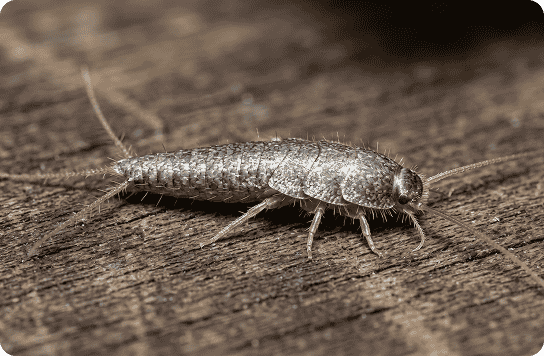
Ants are often tied to dampness, available food, and tiny entry points. Since they are generally viewed as a manageable household pest, claims are uncommon unless the ants are connected to wider water damage or another insured event. Bedbug infestations are even less likely to be covered because insurers often classify them as a lifestyle or occupancy issue rather than a sudden accidental loss. Silverfish, which thrive in humid conditions, may also indicate excess moisture or limited airflow, but again the extermination cost itself is rarely covered.
Area conditions count. In neighbourhoods with worn building stock, such as parts of central Hamilton, small cracks, aging caulking, and damp basements can increase pest intrusion more likely. Around the harbourfront, humidity can cause trace evidence of pests and the conditions that support them. These realities can affect how an insurer reviews claim eligibility, but they do not change the basic rule: pest treatment is usually separate from insured property damage.
Which regional Hamilton homeowners should review in their policy
If you want to understand your real choices, start with your policy wording. This is where you’ll see what qualifies as covered perils, what is excluded, and whether there are any endorsements that expand protection. Many people are surprised to learn that standard forms offer very limited insurance coverage for pest-related issues.
Take note of your insurance deductible as well. Even if part of a claim is covered, the deductible may be high enough that filing a claim for a modest amount of damage does not make sense. You should compare the repair costs to the deductible before contacting the insurer, especially if the issue is limited to a small area.
Endorsements can change the picture. Some policies include optional add-ons for more extensive water damage protection, sewer backup, or specific risk categories. While these endorsements usually do not pay for pests directly, they may cover the underlying event that led to the problem. A claims adjuster will review the exact terms, so the wording needs to be precise and current.
If you live in a condo or rent in Hamilton, check whether your condominium insurance or tenant insurance includes any special limits related to infestations or damage to personal property. Some policies are better suited for contents loss than for the actual extermination expense. If you are unsure, ask for a plain-language explanation of how the policy treats pest infestation, repairs, and temporary relocation if applicable.
How to record pest damage for an insurance claim
If you think a claim could be possible, proper documentation is essential. Begin with photo evidence showing the damage, entry points, droppings, chewed materials, or areas affected by moisture and pests. Capture clear images before cleaning anything up, because trace evidence can help establish what happened and when.
An inspection summary can also support your case. A report from a pest control technician or qualified inspector can determine the species of pest, the likely cause, and whether there appears to be building damage that must be fixed. This kind of documentation helps distinguish a isolated problem from a ongoing infestation, which can affect for claim eligibility.
Keep receipts for every related charges, including the pest control visit, quick fixes, and any materials used to prevent more damage. These records assist in establish the timeline and prove what you paid to reduce the loss. If you had a house inspection lately or a professional assessment after the issue began, keep those reports too.
When talking to the insurer, be precise. Describe the event, the likely cause, the timeline, and any inspection findings without overstating the case. The more thorough your records and evidence, the easier it is for the claims adjuster to determine whether the situation involved a sudden loss or a non-covered maintenance issue.
When to reach out to a Hamilton pest control professional at the outset
In numerous situations, it is wise to contact an exterminator or pest control professional before you file https://sites.google.com/view/pest-control-in-hamilton/ a claim. That is especially true if the issue is active and spreading. A local provider can locate entry points, determine the pest type, and recommend integrated pest management steps that reduce the chance of recurrence.
Integrated pest management focuses on practical risk mitigation rather than relying only on chemicals. It often includes sanitation, sealing entry points, reducing moisture, and removing food sources. These measures are particularly relevant in Hamilton homes with older foundations, unfinished basements, or gaps around utility penetrations.
Sanitation matters because pests are attracted to accessible food, garbage, clutter, and standing water. In a city with a wide range of housing types, from detached homes to apartment buildings and condos, sanitation problems can affect the whole property, not just one unit. If the pests are moving through shared walls or common areas, quick action can prevent the problem from spreading.
Professional intervention is also useful because it creates a clear record of what was found and what was recommended. If you later need to file a claim, the exterminator’s observations and any written findings can support your documentation. Even if insurance does not pay for the treatment, the professional’s advice can help you protect the home and cut future repair costs.
FAQs about pest control insurance coverage in Hamilton
Are pest control treatments in Hamilton covered by homeowners insurance?
Usually not. Homeowners insurance generally does not cover preventive treatment or routine pest control Hamilton services. It may respond only if a covered peril caused sudden damage and the pest issue is secondary to that loss. Always check your policy wording and policy exclusions.
Does insurance cover damage caused by mice or rats in Hamilton homes?
Sometimes, but not usually the extermination itself. If mice or rats cause sudden structural damage or contribute to a covered loss, the repair portion may be reviewed. The insurer will look closely at whether the problem was caused by neglect, slow infestation, or another excluded issue.
Will tenant insurance include pest control or extermination charges?
Tenant insurance typically does not pay for pest control or extermination costs. It may cover certain personal property losses if the policy is relevant, but that depends on the circumstances and the exact language. If you rent in Hamilton, ask whether your policy addresses pest infestation or temporary relocation after a covered claim.
Can I claim bed bug treatment through my insurance in Hamilton?
In most cases, no, it cannot. Bed bugs are commonly treated as a property upkeep or tenant-related issue rather than a covered peril. Insurance may not cover the treatment itself, though a separate covered loss could alter the analysis. If you live in a condo or rental, check whether condominium insurance or tenant insurance has any specific provisions.
What should I do before filing a pest-related insurance claim?
Document everything first. Capture images, gather receipts, request an inspection report if possible, and keep notes about when you discovered the issue. Then review your insurance coverage, deductible, and any endorsements before filing a claim. If needed, speak with a claims adjuster and a pest control professional so you understand whether the issue is a covered claim or a maintenance matter.